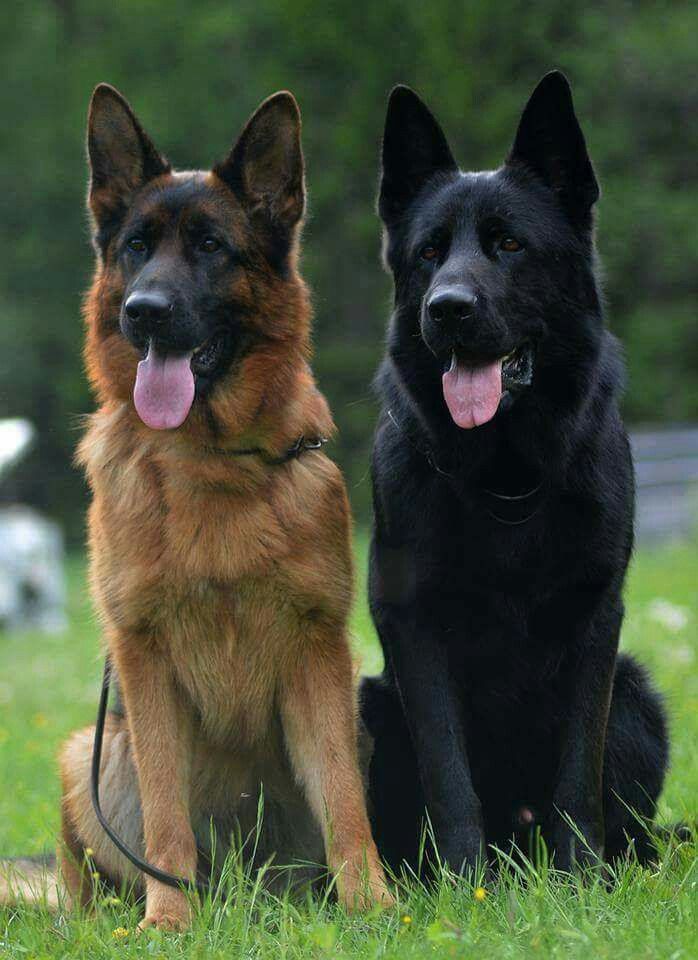
The German Shepherd, also known as the Alsatian in the UK, is one of the world’s most iconic and intelligent dog breeds. Highly trainable, fiercely loyal, and naturally protective, this breed is a favorite among families, trainers, and professionals in police, military, and rescue work.
If you’re considering adding a German Shepherd to your home — or simply want to learn more about this beautiful and powerful breed — this complete guide covers everything you need to know.
⭐ Introduction to German Shepherds
German Shepherds are admired globally for their:
- Exceptional intelligence — ranked #3 among the smartest dog breeds
- Trainability — they learn commands quickly and enjoy structured training
- Deep loyalty — they naturally bond with their family and protect them
- Obedience — highly responsive to consistent, positive handling
With proper care, German Shepherds typically live 9–13 years. Their athletic build, strong work ethic, and sharp instincts make them top choices for law enforcement, search-and-rescue, service-dog work, security, and as loving companions.
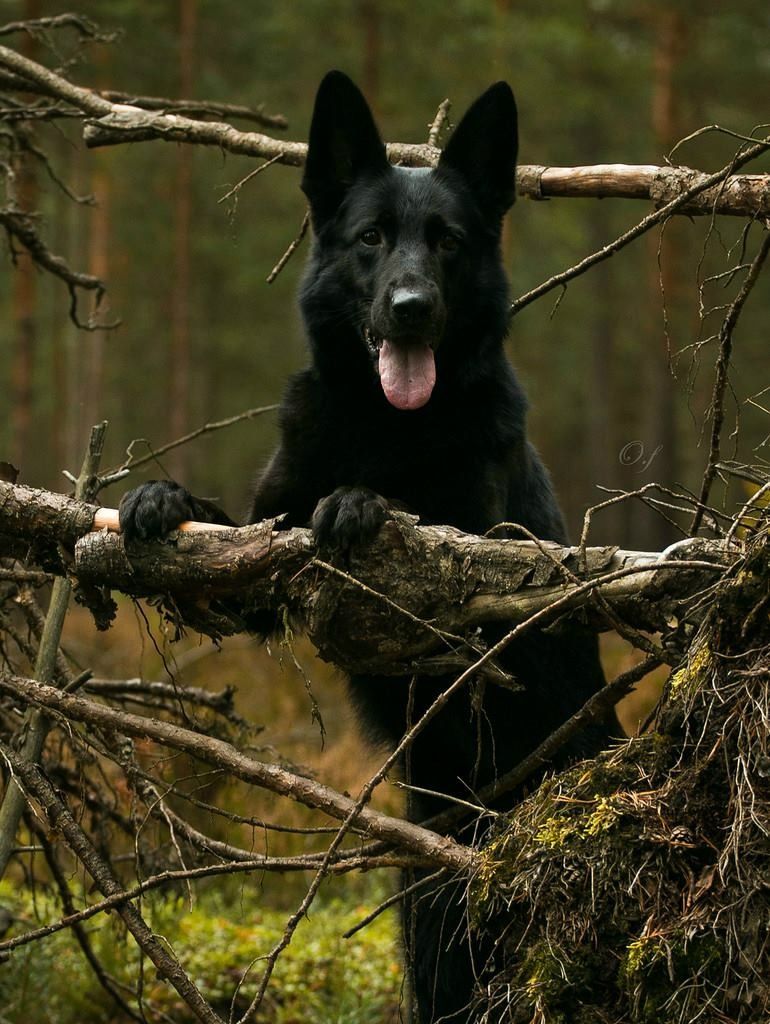
🐕 What Does a German Shepherd Look Like?
Although individual dogs can vary, German Shepherds generally share these physical traits:
Size & Build
- Medium to large breed
- Height: 22–26 inches (56–66 cm)
- Weight:
- Females: 22–32 kg
- Males: 30–40 kg
Appearance
- Upright, pointed ears
- Long bushy tail
- Strong, muscular body
- A double coat that sheds heavily
Coat Colors
German Shepherds come in several coat shades, including:
- Black & Tan
- Solid Black
- Sable
- White (less common)

🐶 German Shepherd Puppies
German Shepherd puppies are known for their adorable floppy ears, which stand upright as they mature. Their personalities are playful, affectionate, and curious.
Puppies require:
- Gentle training
- Early socialization
- Plenty of play and bonding time
This makes them great companions for responsible kids and active families.
🌍 Where Did German Shepherds Come From?
The breed originated in Germany in the late 1800s.
Key facts:
- Initially bred as herding dogs
- Later transitioned to military and police roles
- The breed standard was developed by Max von Stephanitz, considered the father of the German Shepherd breed
Today, German Shepherds are among the world’s most recognized working dogs.
🧠 Are German Shepherds Smart?
Yes — extremely. German Shepherds rank as one of the top 3 most intelligent dog breeds in the world.
They can learn:
- Up to 250 words and commands
- Complex tasks and routines
- Scent detection, agility, obedience, and tracking
They excel as:
- Police/Military Dogs
- Rescue Dogs
- Guide Dogs for the Blind
- Service Dogs
🎭 How Do German Shepherds Behave?
A German Shepherd’s behavior depends on training, environment, and daily routine.
Personality Traits
- Energetic and playful
- Confident and alert
- Strong-willed but eager to please
- Protective of family
Behavior Tips
- They need 1–2 hours of daily exercise
- They thrive in open spaces
- Lack of activity can lead to boredom or destructive behavior
- Gentle, consistent training leads to excellent manners
🍖 What Do German Shepherds Eat?
Because they are highly active, their diet should include:
- High-quality protein (meat-based foods)
- Healthy fats like Omega-3 and Omega-6
- Limited fillers (avoid corn, soy, wheat-heavy diets)
- Balanced vitamins for joint health
Always create a diet plan suitable for your dog’s age, activity level, and training schedule.
🧼 How to Care for a German Shepherd
Caring for this breed requires commitment. Here are essential care tips:
✔ Exercise & Training
- 1–2 hours of physical activity daily
- Daily walks + playtime
- Brain games (puzzle toys, obedience training, scent work)
✔ Grooming
- Brush coat 2–3 times a week, daily during shedding season
- Regular nail trimming
- Dental hygiene (brush teeth 2–3 times weekly)
- Occasional baths
✔ Health
- Routine vet check-ups
- Hip dysplasia screenings
- Vaccinations and parasite prevention
✔ Emotional Needs
German Shepherds need gentle handling, affection, and consistent training. Never use harsh punishment — it can damage trust.
💸 Cost & Commitment
Before getting a German Shepherd, consider:
- Food expenses (high protein diets)
- Grooming costs
- Training classes
- Vet bills + potential health treatments
- Time commitment (daily exercise & interaction)
They are not “beginner dogs” — they require structure and responsible ownership.
🐕🦺 German Shepherd vs Golden Retriever: A Quick Comparison
| Feature | German Shepherd | Golden Retriever |
|---|---|---|
| Size | 75–90 lbs, 22–26″ | 55–75 lbs, 22–24″ |
| Energy Level | High | High |
| Temperament | Protective, strong-willed | Gentle, tolerant |
| Shedding | Heavy, year-round | Heavy, seasonal |
| Typical Roles | Police, Military, Security | Family pet, Service dog |
Both breeds are wonderful — but they suit different lifestyles and training needs.
📝 Checklist Before Getting a German Shepherd
Before adopting or buying a German Shepherd, ensure that you:
✔ Have enough time for daily training & exercise
✔ Know how to crate-train and socialize a dog
✔ Understand grooming requirements
✔ Can afford long-term care and health expenses
✔ Are prepared to follow a structured training plan
🐺 Conclusion
German Shepherds are loyal, intelligent, and loving dogs that thrive in homes where they receive proper training, attention, and exercise. With the right care, they become remarkable companions capable of forming deep emotional bonds with their families.
They truly embody the phrase: “A dog is a man’s best friend.”